
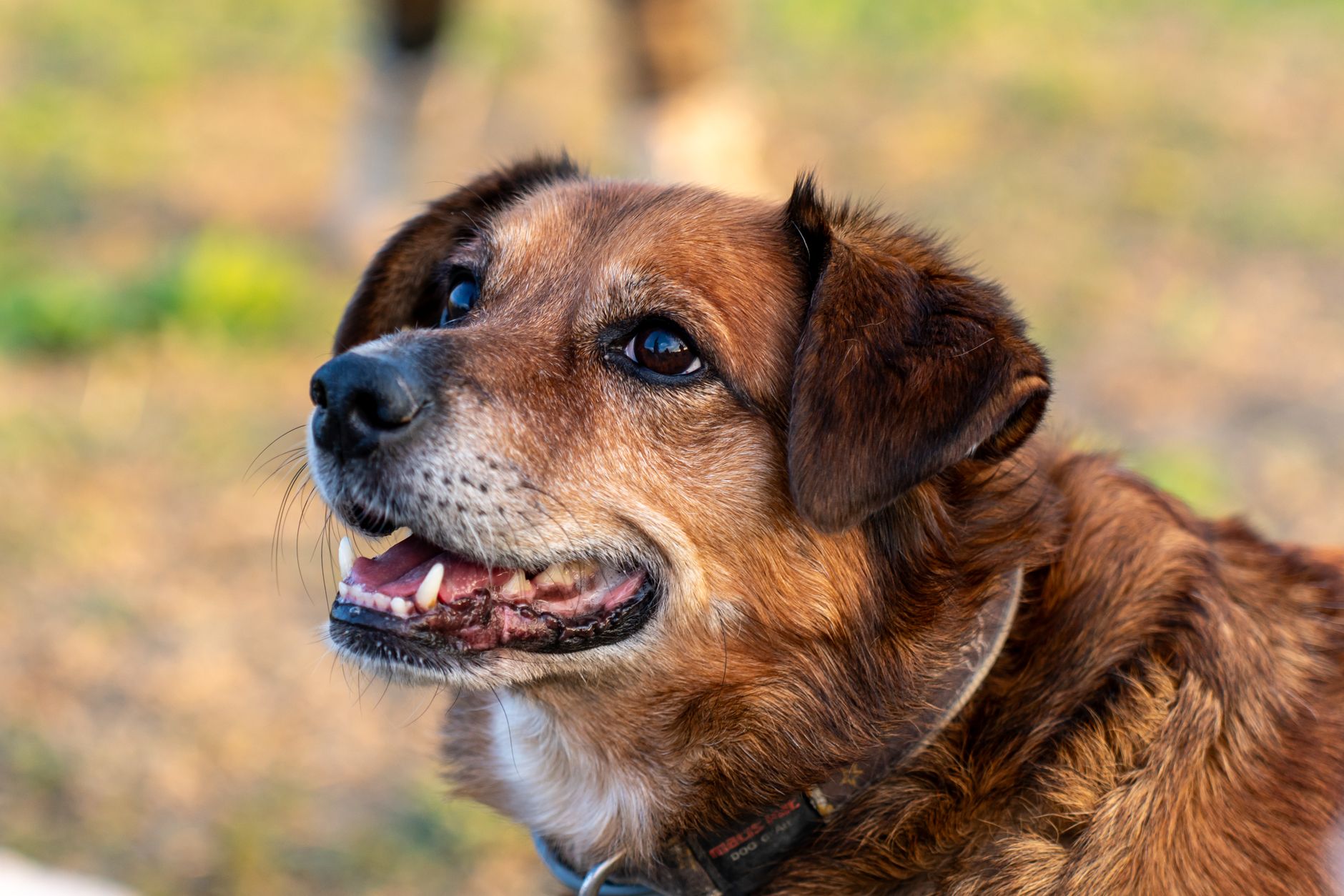
Dog DNA tests have gone from quirky novelty to something many pet parents genuinely rely on. Maybe you adopted a “lab mix” who’s clearly not a lab. Maybe your dog has a mystery health issue and you’re hoping genetics can offer clues. Or maybe you’re just curious why your 35-pound “terrier” is trying to herd your kids like sheep.
At the same time, it’s totally normal to wonder: How accurate are these results? And why do some tests disagree with each other, or even change when you retest later? The short version is that dog DNA testing is real science, but it’s also a statistical match game that depends on reference databases, algorithms, and the quality of the sample you send in.
This guide breaks down what accuracy really means in the dog DNA world, what can cause different results, and how to use your report in a practical way (without treating it like a fortune teller). If you’re searching for how does a dog DNA test work, you’ll get that too, because understanding the process makes the “why are my results weird?” question a lot easier to answer.
What “accuracy” means in dog DNA testing (and what it doesn’t)
When a company says its dog DNA test is accurate, it usually means the test can correctly identify genetic markers and match them to breeds in its database with high confidence. That’s not the same as saying it can perfectly reconstruct your dog’s entire family tree back through time. It’s more like: “Given the markers we see, and given the breeds we have reference data for, what’s the most likely mix?”
Accuracy also depends on how mixed your dog is. If your dog is a first-generation cross (say, one purebred parent and another purebred parent), most reputable tests tend to do quite well. If your dog is a multi-generation mix with many small percentages, the test is working with thinner and thinner signals, and the results become more like a best-fit estimate.
Finally, “accuracy” can differ between breed identification and health screening. Breed ID is about pattern matching. Health screening is about whether specific known variants are present. Both can be useful, but they’re not the same kind of claim.
The basic science: what the test is actually reading
Dog DNA tests don’t read your dog’s entire genome letter-by-letter. Instead, they typically look at thousands of specific points in the genome called markers (often SNPs, single nucleotide polymorphisms). These are spots where genetic variation is common and informative.
Those markers are compared to a reference panel: a big library of DNA profiles from dogs with known breed backgrounds. The test uses statistical models to estimate which breeds best explain the pattern of markers in your dog.
Here’s the key: if a breed isn’t well represented in the reference panel, or if your dog’s ancestry includes landraces, village dogs, or rare regional lines, the algorithm may “approximate” using the closest available matches. That’s one of the biggest reasons results can vary between companies.
Why two different dog DNA tests can give different breed mixes
If you’ve ever seen someone post two test results online, one saying “25% Boxer” and the other saying “0% Boxer”, you’re not alone. It can feel like someone’s making it up. But there are real reasons this happens, even when both tests are legitimate.
Think of each company’s test as a combination of (1) the markers it reads, (2) the reference dogs it compares against, and (3) the algorithm used to interpret the match. Change any of those, and the percentages can shift.
The good news is that the broad strokes often align: herding breeds tend to show up as herding breeds, bully-type ancestry tends to show up somewhere in that cluster, and so on. The fine details, especially small percentages, are where you’re most likely to see disagreement.
Database size and breed coverage: the quiet factor behind most differences
One company might have robust data for common AKC breeds but limited coverage for rare imports or region-specific lines. Another might have invested heavily in “village dog” populations or international breeds. That matters because the algorithm can only match what it knows.
If your dog has ancestry from a breed that’s not included (or poorly represented), the test may distribute that DNA across similar breeds. For example, a rare livestock guardian breed might get “translated” into a better-known guardian breed with overlapping markers.
This is also why some reports include “unresolved,” “supermutt,” or “mixed breed” categories. It’s not necessarily a cop-out. It can be a more honest way to say, “We see mixed ancestry here, but we can’t confidently assign it to specific breeds in our library.”
Algorithm differences: why percentages aren’t as absolute as they look
Breed percentages look precise, which makes them feel definitive. But those numbers are outputs of statistical modeling. Different companies may use different thresholds for reporting small percentages, different ways of grouping related breeds, and different assumptions about how breeds recombine across generations.
Some tests are more willing to report tiny slices (like 2% this, 3% that). Others will roll small signals into a broader category. Neither approach is automatically better. It’s a design choice that affects how the results read.
It also means that two tests can be “right” in different ways: one may be capturing a faint signal and labeling it with a best-guess breed, while another might choose not to label that signal at all.
Sample quality: the simplest reason results can get weird
Most dog DNA tests use a cheek swab, and that sounds easy, until you try to swab a wiggly dog who thinks everything is a snack. If the swab doesn’t collect enough cells, or if it’s contaminated, the lab may have less usable DNA to work with.
Common sample issues include swabbing too soon after eating, letting the swab touch other surfaces, or not swabbing long enough. Some kits also require air-drying before sealing; skipping that step can introduce moisture and degrade the sample.
Labs have quality checks, and many will request a new sample if something is off. But borderline samples can still produce results with lower confidence, which may contribute to unexpected breed calls, especially in the small-percentage range.
Multi-generation mixes: why “supermutt” is sometimes the most accurate answer
If your dog comes from a long line of mixed-breed dogs, their DNA can be a patchwork where no single breed signal is strong. Every generation of mixing shuffles the genetic deck. Over time, some breed-specific segments get diluted or broken into smaller pieces.
That’s why a dog can look strongly like one breed but test as a blend of others. Appearance is influenced by a relatively small set of genes (coat type, size, ear shape, muzzle length), while breed ancestry is spread across the genome.
So if your dog is a “classic-looking” shepherd-type mix, the look may come from a few key traits, while the rest of the genome reflects a more complex history. In those cases, a broader “mixed” category can actually be the most scientifically honest result.
Breed similarity: when related breeds are hard to tease apart
Some breeds are genetically close because they share recent ancestry or were developed from similar stock. That can make it difficult for a test to distinguish them cleanly, especially if the reference samples aren’t extremely well curated.
For example, some bully-type breeds can share overlapping genetic signals, as can certain spaniels, retrievers, or regional shepherd lines. A test might identify the general family correctly but differ on the specific label.
This doesn’t mean the test is “wrong” so much as it’s working within the limits of genetic resolution. Think of it like trying to identify a specific shade of blue in dim light. You might confidently say “blue,” but “navy vs. midnight” is harder.
Geography and “breed” definitions: not every dog fits a neat label
Breed standards are human-made categories. In many parts of the world, dogs have been breeding naturally for generations, forming populations sometimes called village dogs or landraces. These dogs can be genetically diverse and not aligned with modern kennel-club definitions.
If a dog’s ancestry includes those populations, a test may struggle to map that heritage onto a list of recognized breeds. Some companies do a better job than others at identifying these broader populations, but it’s still a developing area.
Even within recognized breeds, there can be meaningful differences between lines (working vs. show, regional variations, etc.). If a reference panel doesn’t capture that diversity, the algorithm may lean toward the closest match it has.
Retesting and updated results: why a report can change over time
It can be surprising (and honestly a little annoying) when a company updates your dog’s breed mix months later. But this is usually a sign of improvement, not deception.
As companies add more reference dogs and refine their models, they can re-run past data through updated algorithms. That can shift small percentages, resolve previously “unassigned” segments, or adjust a breed call that was on the edge.
If your dog’s results change, pay attention to the confidence levels and the overall story. Often the “big” breeds remain consistent while the smaller ones shuffle. That’s a normal pattern when the underlying signal is faint.
How to read breed percentages without overinterpreting them
A practical way to interpret results is to think in tiers. The top one to three breeds (especially if they’re high percentages) are more likely to reflect real, detectable ancestry. The middle tier can be meaningful but may be more sensitive to database and algorithm differences. The tiny slices at the bottom are the most likely to fluctuate.
Also remember that inheritance isn’t perfectly even. You don’t get a tidy 50/50 split from each parent forever. Recombination means your dog might inherit more of one grandparent’s DNA than another’s, which can skew percentages compared to what you’d expect on paper.
If you’re using the test for day-to-day decisions, focus less on whether your dog is “12%” something and more on what the results suggest about needs: energy level, prey drive, sensitivity, or potential health risks.
Health trait reports: helpful, but not the whole medical picture
Many dog DNA tests include screening for genetic variants associated with certain conditions. This can be genuinely useful, especially for identifying carrier status or spotting a risk that might otherwise go unnoticed.
Still, it’s important to keep expectations realistic. Not every condition has a known single-gene marker. Some health issues are polygenic (influenced by many genes) or heavily shaped by environment. A “clear” report doesn’t guarantee a dog won’t develop a condition, and a “risk” result doesn’t guarantee they will.
The best approach is to treat health findings as conversation starters with your veterinarian, especially if the report flags something actionable (like medication sensitivities or clotting disorders).
Behavior and breed: what DNA can suggest (and what it can’t)
Breed ancestry can offer clues about typical tendencies, like herding, retrieving, guarding, or scent work. But behavior is also shaped by early experiences, training, environment, and individual temperament. Two dogs with similar mixes can act totally differently.
If your test reveals high-energy working breeds, it’s a nudge to prioritize enrichment: structured walks, sniffing games, training sessions, and play that uses the brain as much as the body. If it reveals breeds known for independence, you may need more patience and a different training approach.
And if your dog struggles when left alone, breed can be part of the story, but so can routine, attachment patterns, and unmet needs. If you’re exploring support options, this guide on dog seperation anxiety is a helpful look at how daycare and structured social time may (or may not) fit into a broader plan.
Why your dog’s looks may not match the DNA results
This is one of the most common “Wait… what?” moments. Your dog can look like a Husky and come back as mostly something else. That’s because a few genes can have outsized influence on appearance.
Coat length, curl, furnishings (the wiry eyebrows and beard look), color patterns, ear set, and tail carriage can each be driven by specific variants. If your dog inherits a few visually dominant traits, they can resemble a breed even if that breed is a smaller part of their ancestry.
Size can be especially misleading. A small dog can carry ancestry from larger breeds if the size-related genes they inherited skew small. The reverse is true too. DNA is the recipe; appearance is the baked cake, similar ingredients can produce different outcomes depending on what combinations show up.
Common household mistakes that can affect swab results
If you’re about to test (or retest), a few small steps can improve your odds of a clean sample. First: follow the timing instructions about food and water. Swabbing right after a meal can introduce extra material that isn’t your dog’s cheek cells.
Second: avoid touching the swab tip or letting it brush against fur, blankets, or your hands. Contamination is usually minimal, but it’s easy to accidentally reduce the amount of usable DNA collected.
Third: swab long enough. Many kits recommend a firm rub along the inside of the cheek for a set duration. It can feel like overkill, but it’s one of the biggest controllable factors you have as the person collecting the sample.
Understanding confidence levels and “unassigned” categories
Some reports include a confidence score or range. If you see that, use it. A breed listed with high confidence is more meaningful than a breed listed with low confidence at a tiny percentage.
“Unassigned,” “mixed,” or “supermutt” categories can be frustrating if you wanted a neat list, but they often reflect scientific caution. It’s better to have a portion left broad than to force a specific label that isn’t well supported.
If your report doesn’t show confidence levels, you can still apply a common-sense filter: the smaller the percentage, the more likely it is to be a tentative call, especially if it doesn’t match your dog’s overall type or known background.
So… how accurate are dog DNA tests in real life?
For many dogs, especially those with recent purebred ancestry, modern tests can be impressively accurate at identifying primary breed components. They’re generally less consistent when you get into deep mixed heritage, rare breeds, or tiny percentages that are hard to distinguish from genetic “noise.”
It’s also worth remembering that different companies can be accurate within their own systems while still disagreeing with each other. If their reference panels and algorithms differ, the best-fit answer can differ too.
In practice, dog DNA tests are best used as a tool: a way to learn more about your dog, tailor enrichment, flag potential health considerations, and satisfy curiosity, rather than a single definitive label that explains everything.
How to use DNA results to improve day-to-day life with your dog
Once you have results, the most helpful next step is translating them into care choices. If you see sporting breeds, plan for fetch, scent games, and training that channels that “job-ready” mindset. If you see herding ancestry, expect motion sensitivity and a desire to control movement, then teach alternative behaviors and provide outlets.
If you see guardian breeds, prioritize calm socialization, predictable routines, and respectful boundaries with strangers. If you see terrier ancestry, expect tenacity and prey drive, then manage the environment and reinforce recall and impulse control.
And if you’re thinking about your dog’s needs more holistically, exercise, enrichment, grooming, nutrition, preventive care, and emotional well-being, resources focused on whole dog care can be a useful way to connect the dots between what the DNA report suggests and what your dog actually needs to thrive.
When the results don’t match your expectations: a calm troubleshooting checklist
If your report surprises you, start with the simplest explanations. Was the sample collected correctly? Did the company mention any quality issues? If the test offers a retest or free reswab, it may be worth doing, especially if the results feel wildly off and the sample collection was chaotic.
Next, look at the percentages. Are you reacting to a tiny slice that might be statistical noise? Focus on the top breeds first. Those are usually the most stable across models and updates.
Then consider whether your dog could be a multi-generation mix. Many shelter dogs are. In that case, “unexpected” is often the default. What matters most is whether the results help you understand your dog’s needs, not whether the labels match what you guessed from looks alone.
Picking a test: what to compare before you buy
If you haven’t tested yet, it helps to compare a few practical factors. Look at how many breeds are in the database, whether the company discusses its reference panel, and whether it offers confidence levels or detailed explanations of the methodology.
If health insights matter to you, compare which conditions and traits are included and whether the company provides clear guidance on what results mean. Some reports are very user-friendly; others are more technical.
Also consider privacy and data policies. DNA data is sensitive information, even for pets. Reputable companies should explain how data is stored, whether it’s shared, and what options you have to delete or opt out.
Making peace with uncertainty: the best mindset for DNA results
It’s tempting to treat DNA results like a final answer, but they’re better thought of as a well-informed estimate based on current data. The science is strong, yet it’s still limited by reference populations and how breeds are defined.
If you can hold the results lightly, curious, open-minded, and focused on what’s useful, you’ll get the most value. You’ll likely learn something real about your dog’s background, even if it’s not the exact story you pictured.
At the end of the day, your dog is still your dog: the same personality, the same quirks, the same favorite toy. DNA can add context, but the bond and the daily care are what shape the life you share together.